Between species, Worlds and ways of knowing.
My work begins with empathy, which is the foundation of coexistence: the ability to attune to another being, to become aware of its needs, experiences and particular way of being in the world, and to respond with care and consideration. With the awareness of another being. With attention, curiosity and the willingness to look beyond ourselves.
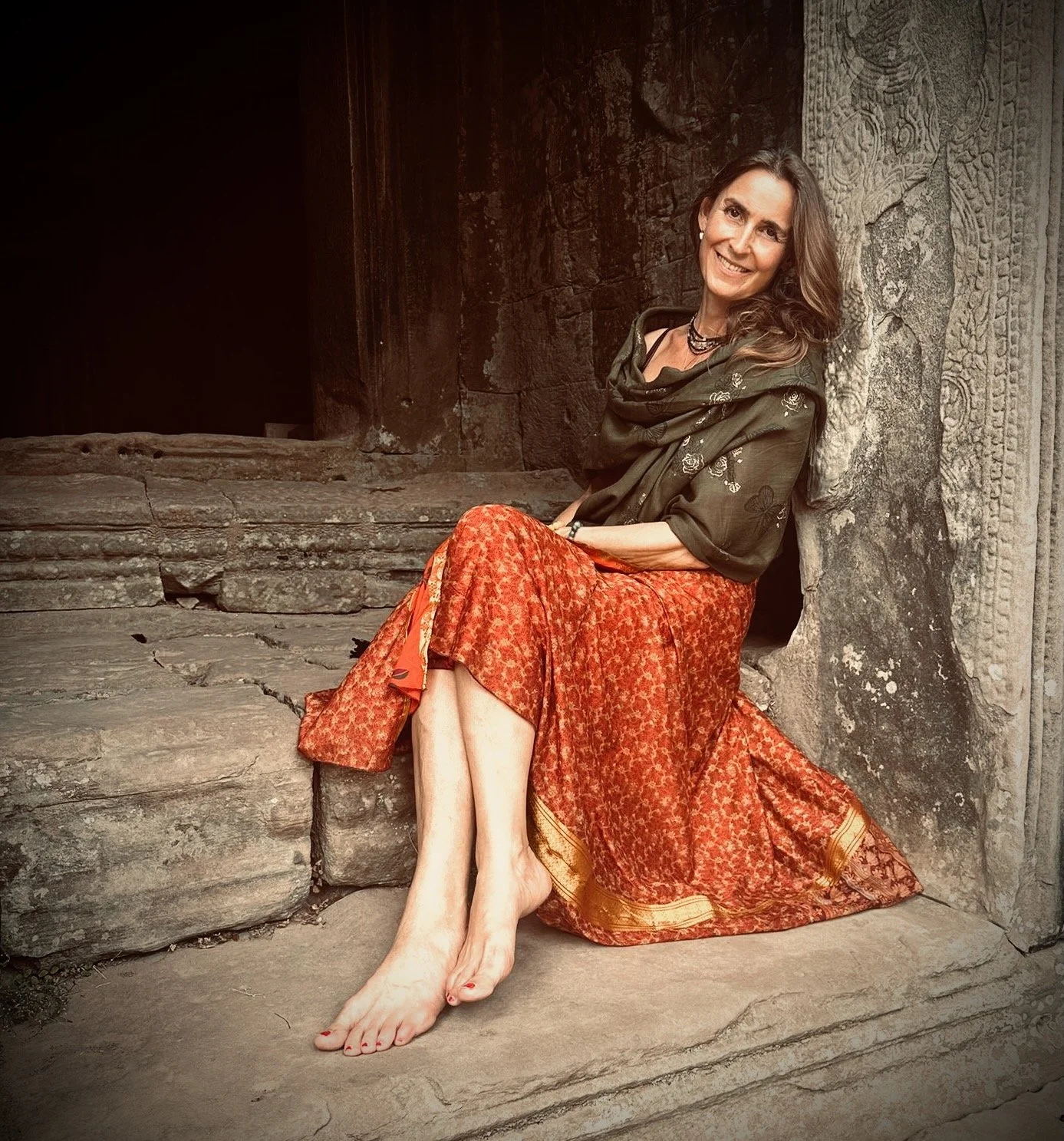
I am an Austrian veterinarian, practitioner of Traditional Chinese Medicine, anthropologist, traveler and photographer. My work moves between species, bodies and ways of knowing — between wildlife and medicine, photography and anthropology, scientific inquiry and traditional healing.
These paths may appear different. For me, they begin with the same question: How do we encounter another being?
SHARED SPACES
We do not inhabit this world alone. We share it with animals, plants, fungi and countless other forms of life. We share it with forests and rivers, soils and oceans, mountains, grasslands and the fragile habitats that make life possible. There is no life without habitat.
No animal exists apart from the landscapes that sustain it. No human life exists independently from the plants that produce oxygen, the soils that grow our food, the waters that move through our bodies or the countless visible and invisible relationships that make our existence possible.
The natural world is not a backdrop to life. It is life. Everything is entangled.
Our lives emerge through relationships — between species, bodies, landscapes and environments. We do not exist as isolated beings moving through a passive world. We are shaped by, and continuously shape, the worlds around us.
And yet, difference does not mean disconnection. Non-human animals form relationships. They experience attachment and fear, security and loss. They raise young, cooperate, compete, communicate and navigate complex social worlds. Their histories are interwoven with ours. Humans are not separate from the animal world. We are part of it.
To recognise this is not to make animals human, nor to romanticise nature. It is to question why we have so often imagined humans as separate from the worlds that sustain us.
We are part of a living world entanglements.
In a time of accelerating biodiversity loss, we are witnessing the disappearance not only of species, but of relationships, social worlds and ways of being alive.
Coexistence
For me, coexistence begins with the understanding that other beings do not simply exist within our world.We inhabit shared worlds. And those worlds are made possible by one another.
We do not inhabit this world alone. We share it with countless other forms of life — with beings whose bodies, perceptions and ways of inhabiting the world may be profoundly different from our own. And yet, difference does not mean disconnection. Non-human animals form relationships. They experience attachment and fear, security and loss. They raise young, cooperate, compete, communicate and navigate complex social worlds. To recognise this is not to make animals human. It is to question why we have so often imagined meaningful emotional and social lives to belong primarily to us.
For me, coexistence begins with empathy — what Frans de Waal describes as the foundation of morality: an awareness of the other, the capacity to recognise their feelings and needs, and to respond to them accordingly. But coexistence extends beyond empathy alone; it also raises fundamental questions of human rights, animal welfare and the legal and ethical status of nature itself. It asks how we can create shared worlds in which humans and non-human beings, plants and ecosystems are not understood merely as resources to be managed or passive recipients of care, but as interconnected forms of life and active agents in shaping the worlds we share — with their own needs, interests, capacities and ways of affecting and being affected by others.
ENCOUNTER
Photography as a way of seeing, knowing and feeling — and, for me, a form of focused meditation.
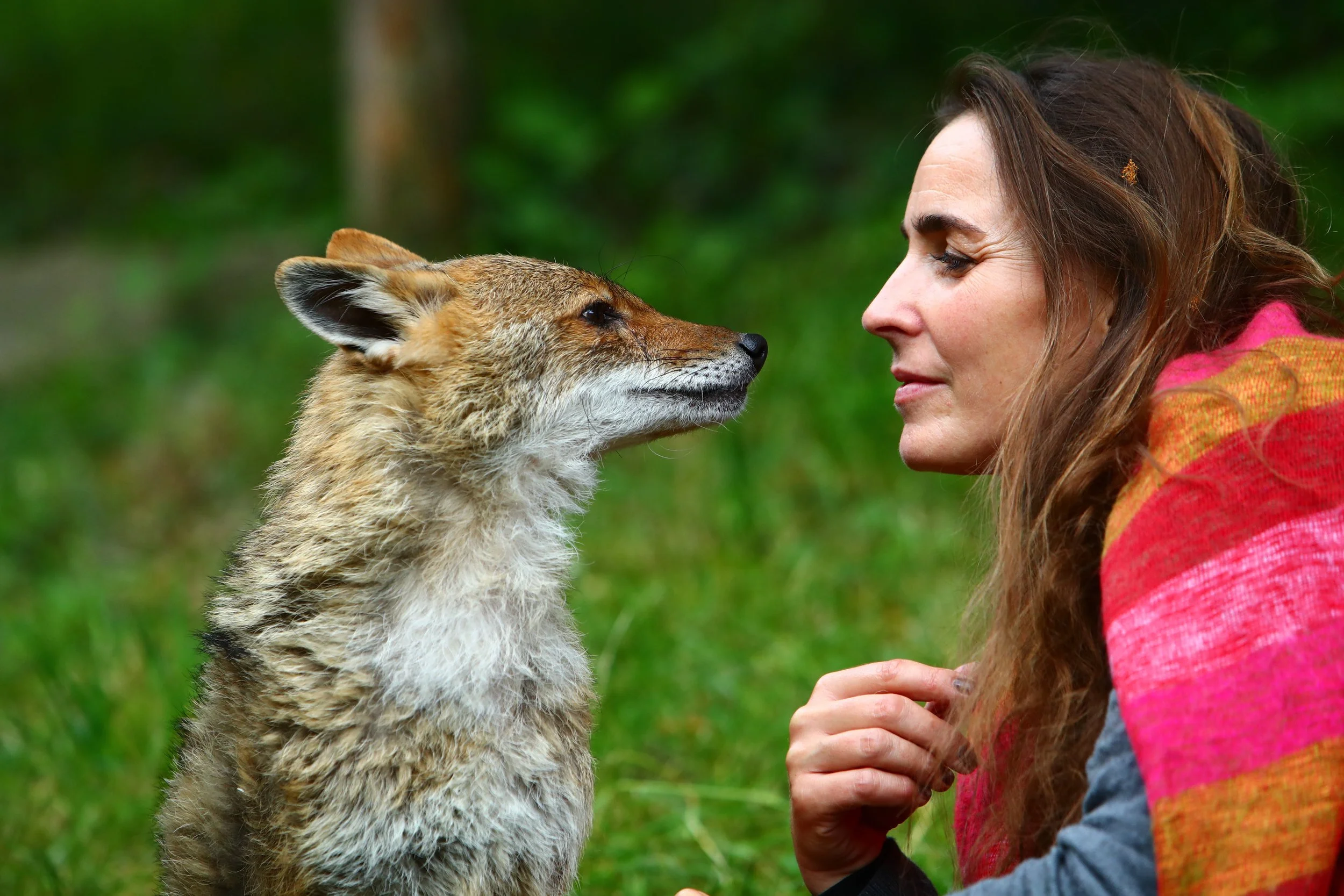
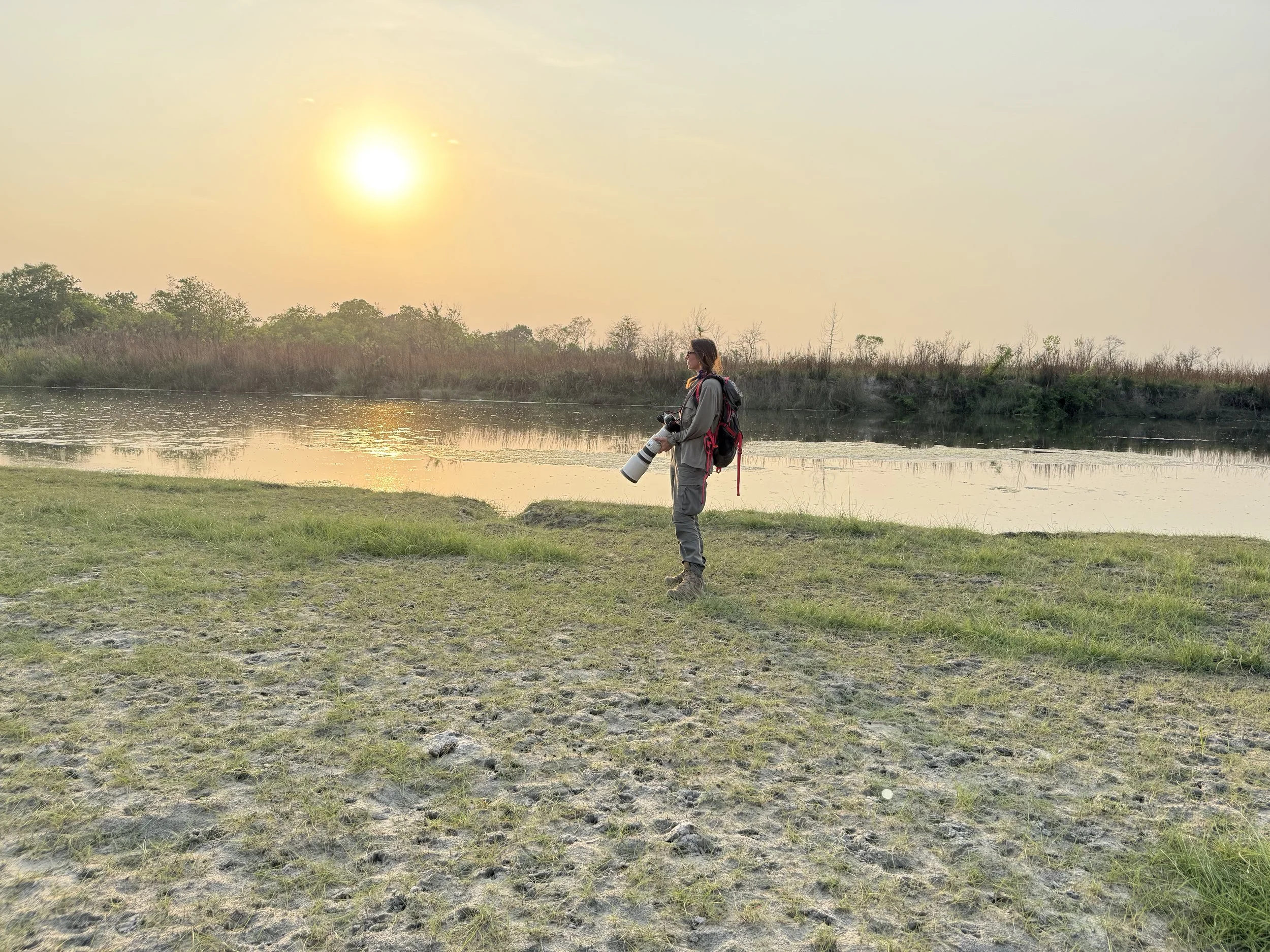
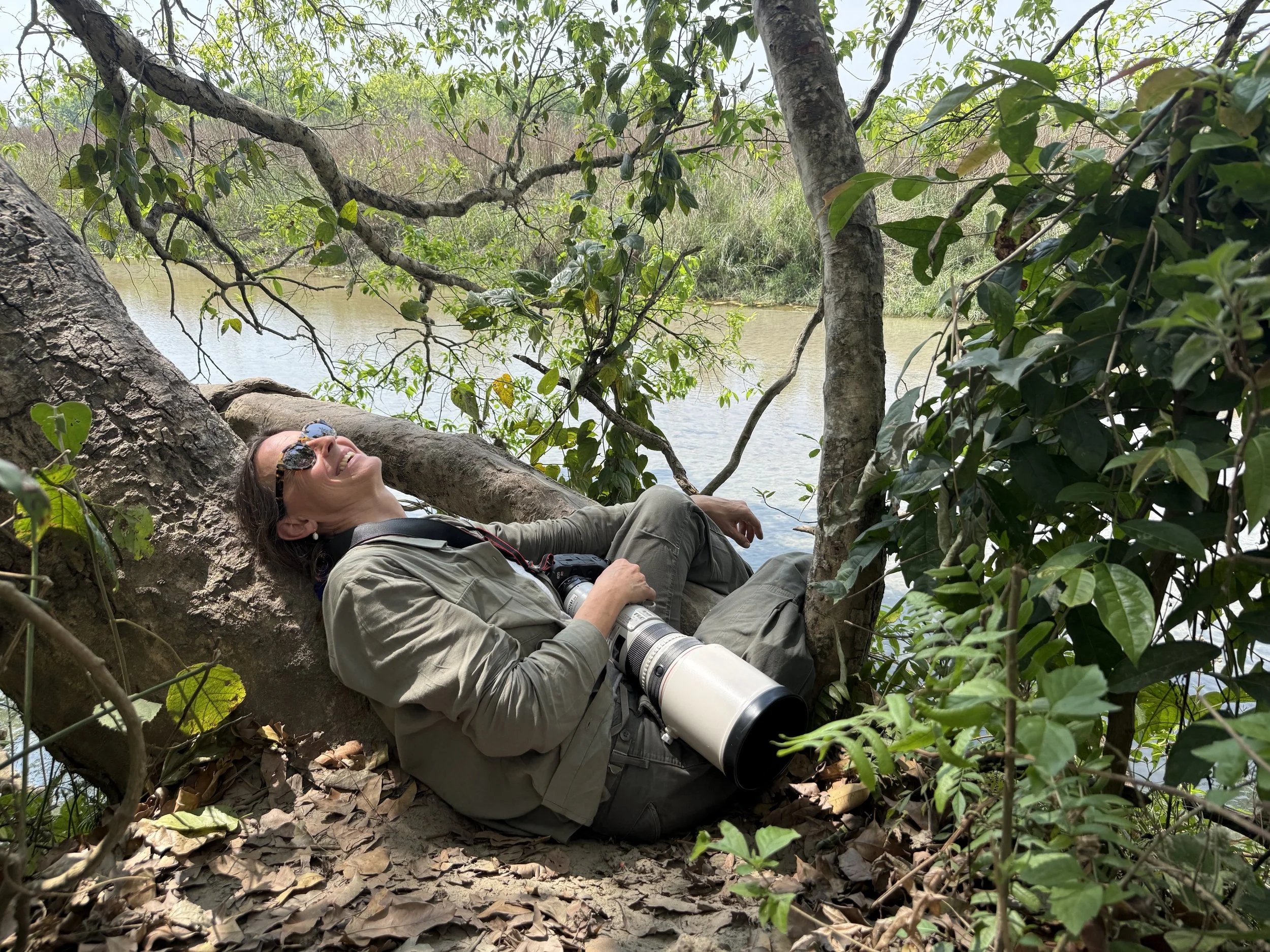
Behind the camera, I become attentive to small movements, gestures, relationships and moments that might otherwise pass unnoticed. My love for photography and nature film developed long ago. For many years, my travels have taken me to remote places around the world, to encounter animals in their natural habitats. These journeys are more than visits to exotic places. They are encounters with other worlds of life.I am not only interested in how an animal looks. I am interested in who it is. A gaze. An encounter. A moment of connection. Nearness, fear, play, conflict or grief.
In these moments, I try not merely to depict a body, but to capture an expression — an individuality, a story, a moment within a life. The camera gives me focus. It helps me pause and look closely. Every being has a story, a history, and a life of its own — often intertwined with ours in ways both visible and unseen. I want to give animals presence through my images, to let their eyes and bodies speak, and to make them visible not merely as representatives of a species, but as individuals.
My photographic work is informed by both conservation and multispecies perspectives. Through close encounters and intimate portraits of individual animals, I seek to create an emotional connection between the animal and the viewer. I am interested in the moment when an individual, rather than remaining an anonymous representative of a species, becomes recognisable through the image as someone with a presence, a story and a life of their own.
In this way, photography can become a contribution to conservation: by transforming distance into connection and knowledge into empathy. When we feel connected to an individual animal, we may also begin to care differently about the species, the habitat and the wider world to which that individual belongs. For me, conservation is not only about preserving species and habitats. It is also about rethinking our relationships with other forms of life. An animal is not merely part of a population. It is a sentient being and an agent within its own social world — with family, bonds, relationships, rivalries, joy, pain, loss and grief.
Over the years, my encounters with wildlife have opened small windows into these different worlds of life and experience. I try to make these moments visible and, through them, create an emotional connection between the viewer and the animal. My work is therefore not only about wildlife. It is about emotional connection. About creating a moment in which we stop seeing an animal and begin to encounter another being.
Perhaps this is where the power of an image lies: That knowledge can become relationship. And relationship can become empathy.
HEALING
Healing means seeing the whole being. My approach to healing begins with the same principle.
My training in Western medicine led me to the University of Veterinary Medicine Vienna. After completing my studies, I increasingly followed another path — towards complementary and holistic approaches such as chiropractic and Traditional Chinese Medicine (TCM). There, I found a form of medicine that particularly resonates with me through its holistic perspective. Acupuncture, herbal medicine and manual techniques offer a sensitive approach to illness and health, allowing physical and psychological imbalances to be considered as interconnected rather than in isolation.
My travels and further training in China and Nepal deepened this path. There, I was also introduced to Buddhist philosophy and to an attitude of mindfulness and respect towards all living beings. TCM understands health as a dynamic balance and works with the concept of Qi, or vital energy.
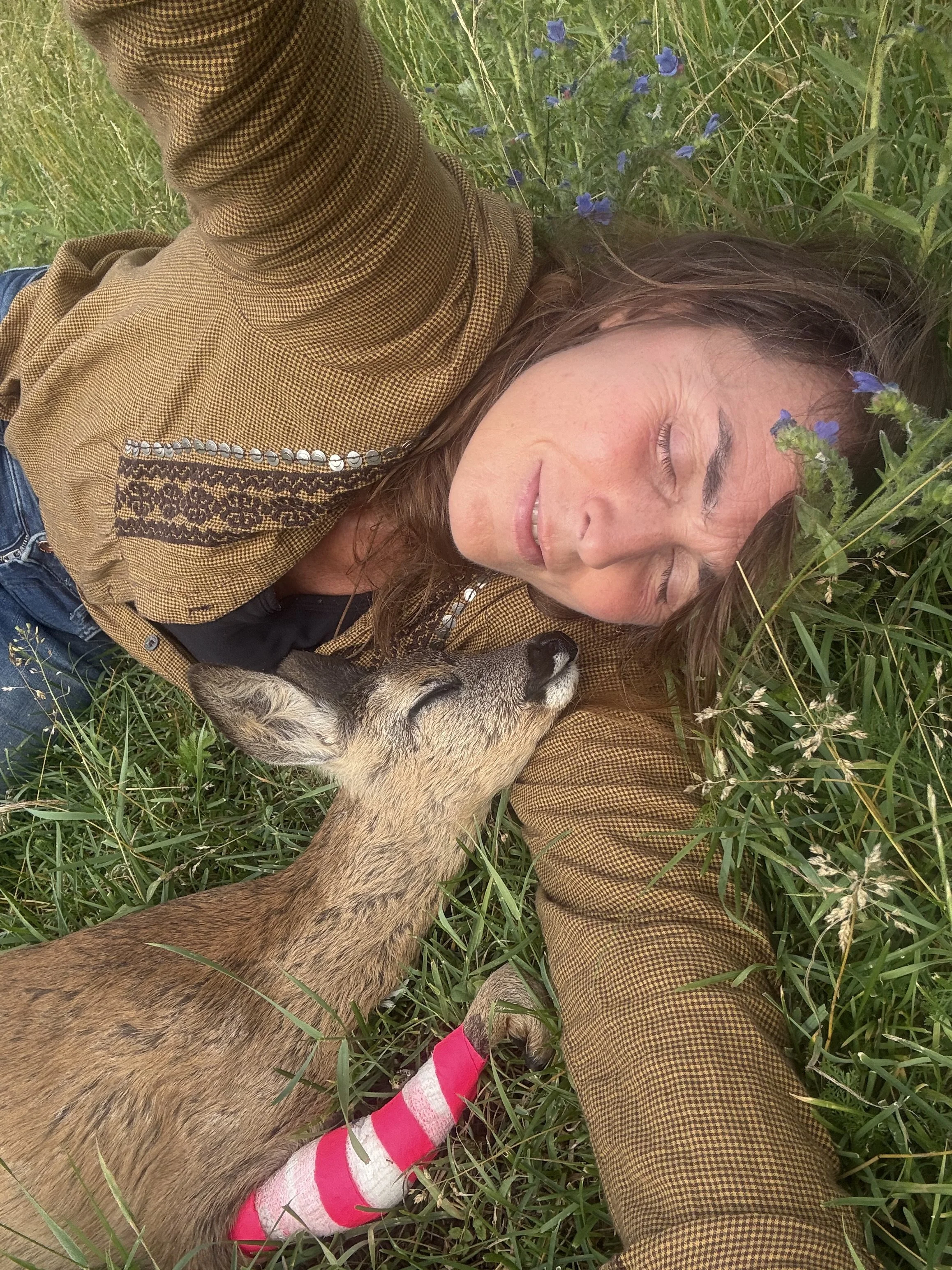
From a holistic perspective, physical and psychological wellbeing cannot be separated — neither in humans nor in animals. Both experience illness and imbalance, pain and distress, fear and attachment, loss and trust, reminding us that the boundaries we draw between human and animal lives are often less clear than we assume. Healing, therefore, means more to me than treating a symptom. It requires seeing the whole individual. Who is this being? How does it live? What relationships shape its life? What does its social environment look like? What fears, experiences, behavioural patterns or forms of attachment may influence its wellbeing? It means perceiving, listening, creating trust and making relationship possible.
Sometimes healing also means recognising that recovery is no longer possible.
When a life can no longer be saved or freed from suffering, another form of care begins: accompanying the dying, alleviating suffering, accepting death and ultimately allowing for a dignified farewell. Through my travels, I encountered different understandings and rituals surrounding death and farewell. They showed me how profoundly the way a society accompanies death reflects the place and value it gives to a life. Being present at the end of life is therefore an essential part of care. Not every life can be saved — but every life can be met with compassion, dignity and respect in its final moments.
Western medicine, traditional healing approaches and manual therapies do not have to be opposites. Where modern diagnostics or interventions are necessary, they have their indispensable place. Where other approaches can meaningfully complement them, I want to make space for them.
Whether wild or domesticated, every being carries its own story. Healing goes beyond medical intervention. It requires understanding context. And empathy. The ability to recognise another being's needs and to respond to them with attention and respect.
UNDERSTANDING
Anthropology, conservation and multispecies worlds.
My path eventually led me into anthropology. Today, I bring my medical and photographic work together with an anthropological perspective on the relationships between humans and other animals. I hold a Master of Arts in Anthropology and work with questions of human–animal relationships, coexistence, conservation and human–wildlife conflict. With a background in Anthropology of Conservation, I am interested in how humans and other animals live alongside one another, how conflicts emerge, and what forms of coexistence might be possible.
We live in a world in which species are disappearing, habitats are being lost, and increasingly many natural spaces are being transformed by human use. The question is therefore not only how we can protect animals.
It is also: How do we want and are able to live with the other beings with whom we share this planet?
Moving beyond an exclusively anthropocentric perspective is, to me, of the utmost importance. Humans are not the only agents shaping the worlds we share. Animals and other living beings also shape their environments, form relationships, respond to their surroundings and influence the conditions in which shared life becomes possible. Coexistence therefore means, for me, recognising humans and non-human beings not merely as objects of our decisions, protection or management, but as active agents and participants in the worlds we share — beings with their own needs, interests, capacities and ways of acting upon and responding to their surroundings.
This also changes the way we think about conservation. It is not only about speaking for others or deciding on their behalf, but about finding ways to take their presence, needs, agency and forms of life seriously in the decisions that shape our shared worlds. Our future therefore needs to move more towards acceptance and coexistence — even, and perhaps especially, where this challenges our own human comfort zone.
Coexistence does not mean erasing differences. It means acknowledging them while creating space for different forms of life to exist alongside one another.
I am interested in the relationship itself — between humans and wildlife, between humans and companion animals, between species, and between the individual beings who shape these relationships. Perhaps the boundary between “human” and “animal” is less self-evident than we have long assumed.
Perhaps another way of living together begins when we stop seeing ourselves as the centre.
EMPATHY AS A PRACTICE
Empathy is the thread running through everything I do. Medicine, photography and anthropology may appear to be three very different disciplines.
For me, they are deeply connected. Photography asks me to pay attention. It allows me to preserve encounters, make stories visible, and connect with other living beings on an emotional level. Anthropology asks me to understand relationships and perspectives beyond my own and has sharpened my awareness of relationships, cultural contexts and different perspectives. Medicine asks me to recognise the individual behind the symptom, to look closely and to understand what a body can tell us. Traditional healing asks me to see patterns and connections rather than isolated parts. Conservation asks us to reconsider our relationship with the living world.
And travelling has taught me how much there is to discover when we are willing, for a moment, to step outside our own perspective. At the centre of all these paths is encounter. Looking closely. Listening. Sitting with unfamiliarity. Being curious about another being. Being willing not always to place ourselves at the centre. And recognising that perhaps we have more in common than we think.
All of them begin with the same movement: Turning towards the other.Not assuming that we know. Not projecting ourselves onto another being. But remaining open to difference while recognising connection. For me, empathy does not mean that humans and other animals are the same. It means that difference does not erase moral significance. A different way of living is still a life. A different body is still a body capable of experience. A different world does not make that world less real.
A LIFE IN CONNECTION
I travel. I observe. I photograph. I heal. I write. I research. I try to understand.
My work moves between wildlife and medicine, bodies and landscapes, scientific knowledge and traditional healing, anthropology and art.
But at its centre remains the same question: How can we learn to live with others in coexistence and respect ?
In a time of ecological transformation, coexistence requires more than conservation policies alone.
It requires imagination. Knowledge. Responsibility. And empathy.
The awareness of the other. The willingness to recognise another being not as an object in our world, but as a subject inhabiting a world of its own.
This is where my work begins. And perhaps where coexistence begins too.